
%20(1).png)
The Middle East and North Africa (MENA) represents tremendous opportunity for digital-first merchants. The majority of consumers (64%) expect to shop online more often in 2026-2027, according to our research.
And we know that the payment experience is critical to earning revenue. 62% of consumers abandon their carts after a false decline – when their payment fails even though they have enough money in their account.
With over a decade of experience working in digital commerce in MENA, I know how crucial it is to take a localized approach to expansion here. You should consider differences in regulations, consumer preferences, and economics when building your payment strategy in each nation.
Our latest report, MENA Digital Commerce 2026: The new era of AI in payments, has the analysis and insights you need to improve your digital strategy this year.
Checkout.com is well-established in MENA, becoming the first global payments platform to secure a direct acquiring license in the UAE in 2023. Our total processing volume across MENA grew 62% 2024-2025 year-over-year (YoY). Together with our merchants, we are delivering high-performing payments for better customer experiences and stronger revenue.
Young populations, widely-available 5G, and increasing smartphone use are all contributing to the uptick in digital payments in the Middle East, according to the World Economic Forum. The region’s spending power is growing fast, and ways of managing money online are evolving very quickly. With that in mind, I want to share my most valuable insights to help you master payments in MENA.
This article forms part of our series of regional guides to enhancing your payments.
Evolving expectations around payment methods
This perspective shows the importance of adapting quickly to consumer expectations. Just over half (56%) of MENA consumers are comparing prices on their phone while shopping in-store. So you could capture a sale online from a customer walking around the mall. That means your digital payments need to be convenient, smooth, and always-on.
An advantage of working with a digital-first payment services provider like Checkout.com is the ability to move faster than your competitors: for example, Checkout.com was the first payments provider to offer mada in Saudi Arabia.
How do customers want to pay?
These are the leading online payment methods in MENA, according to our internal data:
- Credit and debit cards: 44%
- Global digital wallets: 32%
- Buy now, pay later (BNPL): 11%
You can see these are the three essential payment methods you need to support. But each nation’s consumers have their own preferred ways to pay.
Going to Saudi Arabia without supporting mada means at least 60% of your customers cannot use a local payment card. Not offering KNET in Kuwait means that 70% of your customers cannot pay. If you go to Oman and you don't have OmanNet, you lose 90% of the volume.
We continue to support our merchants with the implementation of new payment solutions such as Jaywan, the UAE’s first domestic card payment scheme, as they become available. Launched by the Central Bank of the UAE, Jaywan is designed to support secure and cost-effective domestic commerce through local payment rails.
Checkout.com has integrated Jaywan into its UAE acquiring platform, so merchants can accept Jaywan cards without changes to their integration or dashboard. This behind-the-scenes enablement helps merchants maintain a consistent checkout experience while benefiting from the efficiency of domestic routing.
You can also already use the Benefit Payment Gateway for payments in Bahrain, which is the dominant rail for ecommerce in the country, with Checkout.com.
Muzzammil Ahussain, CEO, Almosafer (part of Seera Group) said: “It's not just your app or your website, it's the entirety of the platforms that you're connected to that will be very, very critical to ensure a positive customer experience in your region. We saw a big opportunity to integrate payments into Whatsapp. It’s particularly important for us in Saudi Arabia, as 10% of our sales are done via WhatsApp.”
Social media is becoming an increasingly important sales channel for merchants of all kinds. One in four (25%) adults in MENA shop on social media in 2026, up from 22% in 2025. At Checkout.com, we are continually expanding the range of payment methods your customers can use online.
And since MENA is such a large and diverse geographical area, it contains many international customers, too. Since the region is so diverse, your business needs to cater to cardholders from all over the world. You should accept payment methods associated with other parts of the world to capture revenue from the widest possible range of customers.
An adaptable payment solution like Flow automatically offers the most favorable payment method to your customer, based on their region and preferences. It also ensures the checkout experience is localized: the shopper can pay in their local currency and in the local language. You can easily turn payment methods on and off so you don’t have to choose in advance which ones you need, and stick to that setup forever.
Local digital wallets such as STC Pay in KSA are often as important as global ones such as Apple Pay and Google Pay, given the trust that consumers have in the most familiar and widely-available payment methods. QPay, the national ecommerce payment gateway of Qatar, is critical for merchants transacting in the country.
Buy now, pay later
Buy now, pay later is becoming steadily more popular across MENA, as busy adults of all ages seek flexible ways to pay for goods and services online. This category has seen the fastest growth across Checkout.com’s processing volume in MENA, increasing by 450% 2024-2025 YoY. Due to increased demand, regional BNPL solutions such as Tamara are offering Pay in 4, while Tabby supports installment plans of 9 and 12 months. You don’t necessarily have to be headquartered in MENA to support these – we enable merchants in the UK and Europe to accept payments via Tamara in both the UAE and Saudi Arabia.
Focus on your payment performance
Everybody wants a smooth and convenient payment: 97% of MENA adults said it’s important for payments to happen with minimal steps, such as prompts for information. Asking customers to find their credit card and type in all of the numbers without making mistakes every time they want to make a purchase can feel too tiring. They may simply abandon the cart if the payment is inconvenient.
One way to help is to allow customers to securely save their cards. 50% of consumers in MENA said they would save their card details with a trusted merchant or app if it reduced checkout friction. Remember Me is a simple way for customers to pay 70% faster online by storing their payment credentials through Checkout.com.
Partnerships can help you succeed in the complex world of payments. Working together, Majid Al Futtaim and Checkout.com achieved a 6% improvement in card payments going through without interruption. Local payment processing also saved AED 4 million in operational costs – and achieved faster transaction times. This led to more happy customers enjoying a reliable checkout experience, plus stronger confidence from approving banks.
Balancing fraud prevention and customer experience
As well as convenience, customers expect you to protect their payment data from thieves and scammers. 62% of MENA consumers said a safe and secure payment process is a top priority for them when making a payment online. A quarter (28%) of adults in the region said they have abandoned online carts because of security concerns. This shows that payment security is directly related to revenue – get it wrong and you could lose the sale.
Fighting fraud requires laserlike focus; if your fraud prevention strategy is too heavy-handed, you will wrongly prevent real customers from paying. This is known as a false decline – and it can also happen because of technical failures, such as bugs in your integration or downtime from third parties.

Most customers will abandon their cart after a false decline: 62% of MENA consumers in 2026. Not only could you lose that sale, but the false decline can have future impacts that harm your business:
- It’s a very bad experience for the customer – damaging loyalty and trust
- The customer may not come back to your brand in future
- It results in wasted customer acquisition costs, such as marketing spend and referral fees
- It’s a preventable problem – that means you could have avoided it
On average, 35% of MENA shoppers would purchase the same item from a different website following a single false decline. They don’t even retry the payment once. What that means is every false decline pushes one in three of your customers to a competitor. To address false declines, you must take a closer look at your fraud strategy. We recommend you seek expert guidance to make effective progress, here.
“You need to have good partners to fight fraud,” shares Benjamin Canova, Global Payment and Fraud Manager, Louis Vuitton. “You need to fight AI fraud with AI or machine learning. There’s no other way, because of how easy it is now to access technology on the Dark Net, which enables fraud.” The best combination is machine intelligence plus human review; fraud-prevention algorithms become more accurate when humans provide targeted feedback in line with the business’s risk appetite.
To focus on payment performance means investing in technology which strikes the balance between blocking fraud and allowing genuine payment attempts to go through. Each payment must be authorized by the relevant issuer, yet each one has its own unique preferences. Because of this, it makes sense to use machine learning (ML) to assist decision-making with payment message formatting, routing, and retries. For instance, Intelligent Acceptance finds the most likely configuration for the issuer to accept a legitimate payment. Based on your chosen configuration, Intelligent Acceptance applies learnings from billions of data points across our network, while ensuring every payment remains fully compliant with scheme mandates and legal regulations. Travel merchant Headout saw a 5% acceptance rate increase using Intelligent Acceptance, leading directly to increased revenue.
For recurring payments, you can use smart dunning which means retrying merchant-initiated transactions at a point in time when the customer is most likely to have funds in their account. This can save you from attempting too many retries, and therefore improve cost-efficiency (because you are charged for every payment attempt, even if it fails).
Supporting dual-branded cards for better payment performance
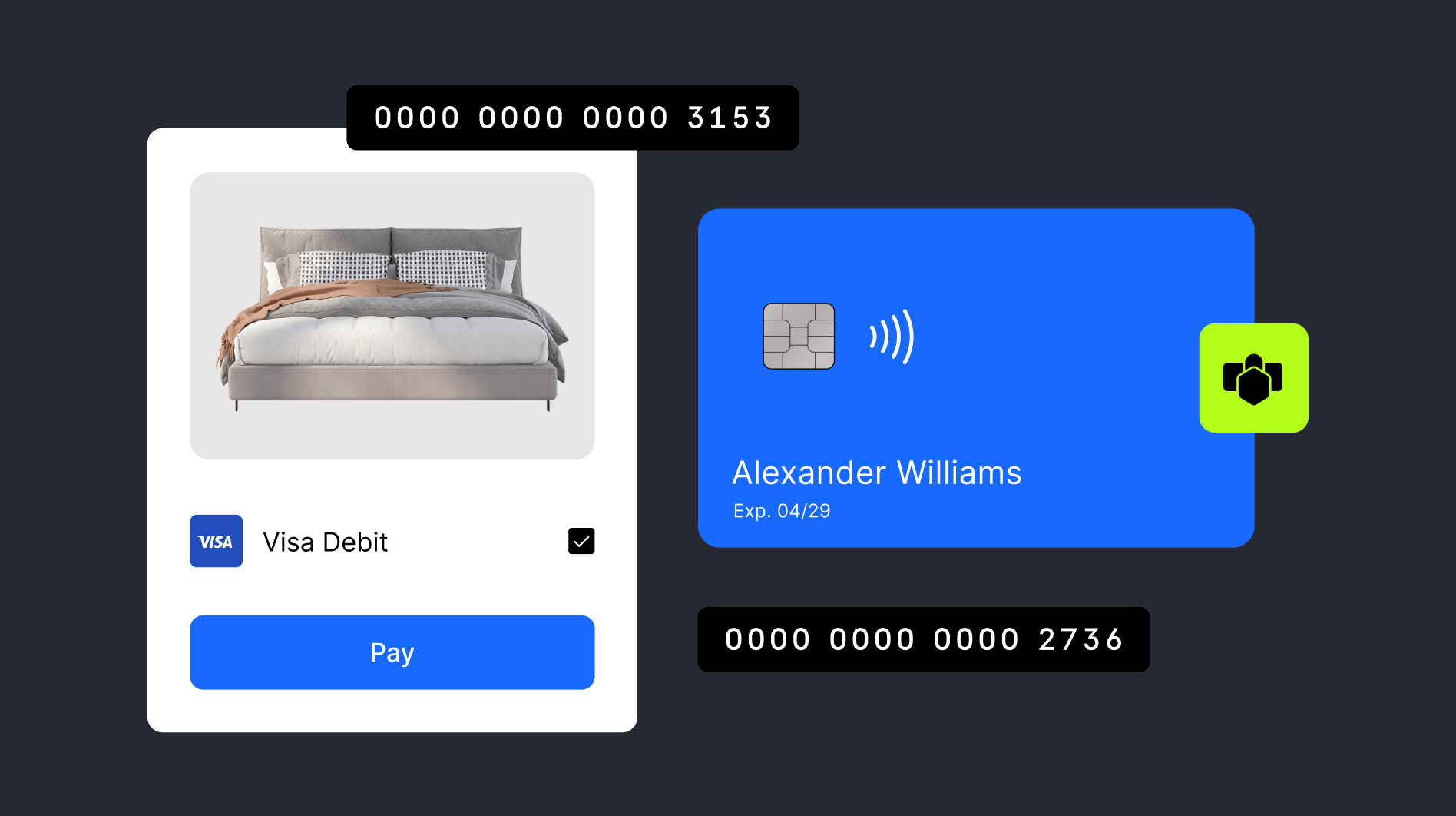
Some payment cards can use two different card networks – these are known as dual-branded cards. They can help protect margins with a cost-sensitive local rail. For example, mada cards run on the local mada network for domestic payments, ensuring better approval rates as well as cost-effective payments. Cross-border transactions on the same card will go through Visa or Mastercard, providing convenience for your customer, who benefits from the reliable performance of global networks.
Cost-effective local payments and transparent pricing
As you scale, it’s important to focus on bringing down the cost of each transaction, where possible. One way to do this is through payment partners with local acquiring licenses, such as Checkout.com, as you won’t need to pay cross-border payment fees on eligible transactions.
We are one of the few payment services providers to offer interchange++ pricing in countries such as the UAE, which helps you to clearly understand your payment costs. This is helpful when looking for ways to optimize your costs, as interchange++ gives you a clear breakdown of what you are paying, and why; you’ll see the transaction costs split into interchange, scheme fees, and processor costs. This ensures your business benefits from the lower cost of domestic acquiring, as some payment providers could add on additional margin without revealing it to you.
Opportunities from AI and agentic commerce
Recent years have seen incredible disruption from artificial intelligence, with 40% of adults’ choice of food delivery service influenced by AI-driven features in 2026. With the technology evolving so rapidly, merchants must move fast to stay competitive.
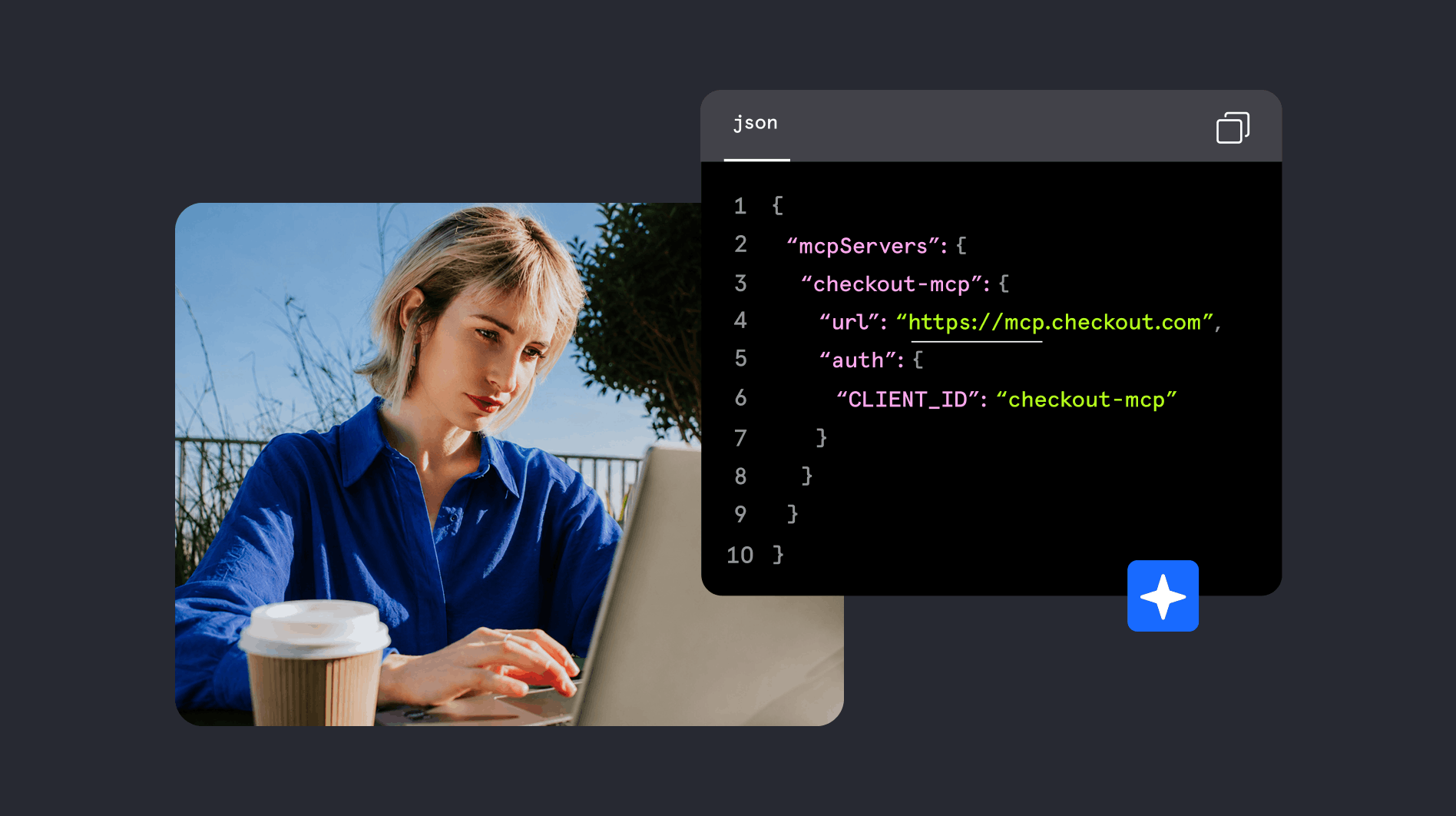
New opportunities keep arising. Agentic commerce is the use of AI agents for personalized assistance with what to buy, when to buy it, and where to buy it from. Already, 65% of consumers in MENA are familiar with agentic AI for shopping. Many are keen to try it: 55% of consumers in Saudi Arabia and 54% in the UAE would be comfortable using AI shopping agents in future.
You can find out more about how to take advantage of AI for your online strategy in the final section of our MENA report.

.png)




%20thumbnail.png)

.png)

