.jpg)

“10 years ago Netflix took a chance on us. We were just a small company. We were processing 10 billion a year. Now we process 10 billion a week.”
That’s what our Founder and CEO Guillaume Pousaz said on stage at Thrive Newport Beach, our flagship merchant conference which took place at the start of September.
Guillaume spoke about being inspired by the energy, the pace, the positivity of the US – values that are completely anchored in our culture, that we at Checkout.com live day-by-day.
His words set the tone for a lively three days of discussions I had with merchants on payment performance, agentic commerce, stablecoins, and cross-border efficiency, to name just a few topics. I expect these conversations to continue throughout the remainder of the year as we approach the business conference season and Money20/20.
Thrive Newport Beach announcements
This year’s Thrive event saw the celebration of many key milestones, partnerships, and product launches for the US market, building on the strength of existing commercial success in the region.
- Our US business has grown over 120% year-to-date (volume in Q2 2026 vs 2025), driven by expanding merchant relationships and new enterprise customers choosing us to power their payments globally. We now process payments for some of the world’s largest brands such as Uber, Spotify, Microsoft, eBay, Coinbase, Pinterest, and ASOS.
- Checkout.com has partnered with Best Buy, powering their expanded Best Buy Marketplace across Bestbuy.com and the Best Buy App. We will provide acquiring and PINless debit capabilities for Best Buy Marketplace, alongside dedicated enterprise support to help its team manage evolving payment flows.
- We are strengthening our infrastructure and expanding our capabilities to include Direct Acquiring with our MALPB license live, Payouts in Canada, Issuing, Platforms, and much more.
Over the three days of our annual get-together, I had the pleasure of hearing countless inspiring conversations both on and off stage. Here are some of my highlights:
Decoding the US: The world’s largest payments opportunity
The US is one of the hardest payment markets to get right. Senior leaders in B2C retail debated ways to provide buyer convenience while controlling for fraud, with the aim of maximizing return on the cost of customer acquisition. Megan Berent, Director of Payments at REVOLVE drew out the important difference between a blocked fraudster and a lost sale – though 3DS authentication can seem to dampen conversion, it can be a meaningful method to determine customer intent.
Technology upgrades are opening doors. Panelists were energized by the opportunities of brand-owned payment methods, and new ways to use AI to combine information from online and offline payments. This is particularly relevant in the evolution of customer behaviors and online payment methods: the pressure is on to decide instantly whether a card-not-present payment is fraudulent. Discussion also covered ways to understand payment fees, as well as routes for collaborating with card schemes on frontiers like agentic commerce.
Stablecoins: Payment rails for the new economy
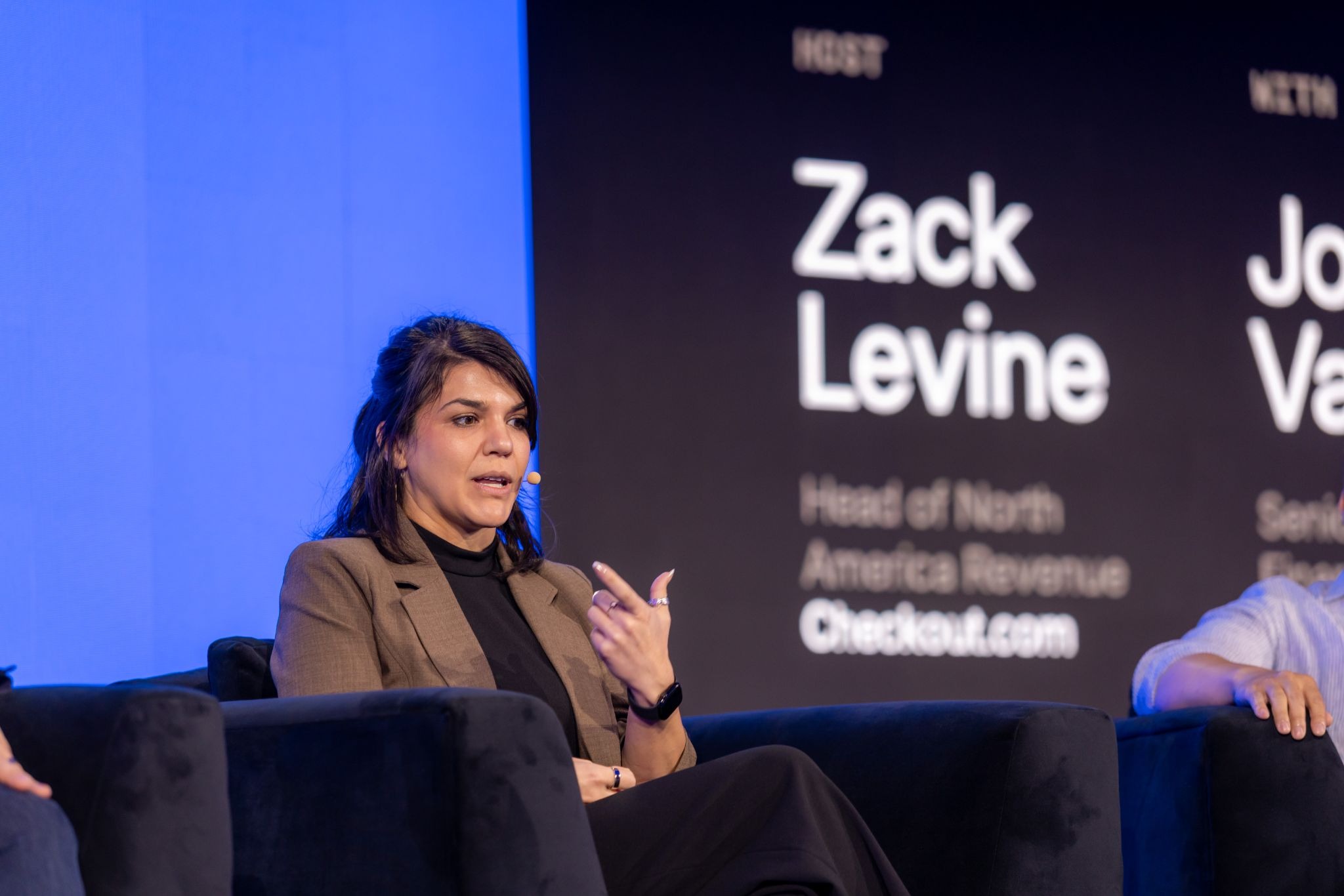
Panelists explored the operational potential of stablecoins, and the new opportunities within blockchain payment technology since the creation of new legislation like the GENIUS Act. Amelia Daly, Head of Partnerships at Solana Labs posited programming transaction conditions based on custom thresholds, permissions, geographies or balance types, as just a few examples.
Yet these possibilities don’t have to lead to overwhelming complexity. Blockchain payment service providers are managing technical pieces such as settlements, acquiring, and FX conversion, making sure merchants can provide a smooth experience to customers. While traditional institutions have historically constrained the geographical locations and times of the day during which funds can move, blockchain payments are supporting businesses to transact more widely. The benefit of faster settlement times has obvious appeal.
Panelists also described how certain markets within Latin America and Africa are seeing high demand for stablecoin transactions, as most of their accounts payable are in US dollars. Some consumers in frontier markets are seeing stablecoins pegged to US dollars as a hedge against the volatility of their national currency.
Fraud and KYC/AML compliance were tackled head-on: technologists promote risk management measures like sanction screening, onchain monitoring, and the Travel Rule are standard procedures for modern blockchain transactions.
Performance in the era of AI
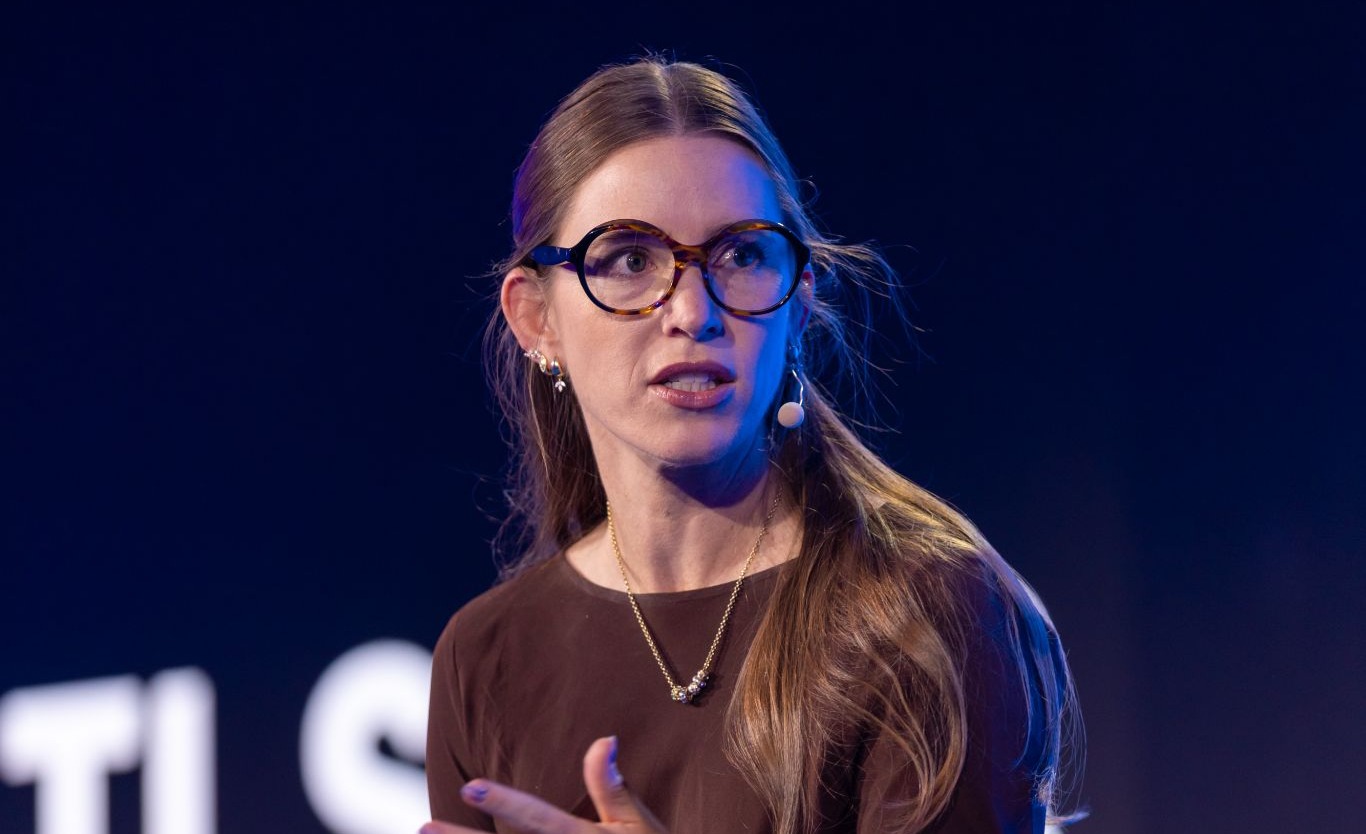
Daniel Linder, Senior Product Director of Payment Performance at Checkout.com led a wide-ranging discussion on the ways in which market-leading merchants are refining payment performance in their business.
Looking at the balance between cost of revenue and wider business goals, panelists explained how payment strategy pivots according to the stage of growth. Justin Gregory, Head of Product at ASOS commented that over the past four years he has seen retailers prioritize enabling customers to pay with their preferred payment method and to avoid failed payments above reducing payment processing costs by any and all means.
Later on, merchants weighed the merits of using certain payment methods for various types of payments – considering that recurring card payments often perform well, but it can be challenging to interpret declines from non-card payment methods and understand how to improve customer experience.
Data collection and issuer authorization was another area of focus: leaders saw benefits from taking another look at outdated compliance decisions, and considering new ways to use information that’s already available. For instance, some of the data that must be collected for KYC and taxation purposes can contribute positively to risk signals in payments, leading to higher rates of payment acceptance.
There’s also a growing trend of using AI assistance in fraud detection and case resolution. For instance, creating an agentic analyst workforce to analyze chargeback trends, and using AI to risk-score cases and prioritize which ones to investigate further.
The agentic promise: what consumers want next
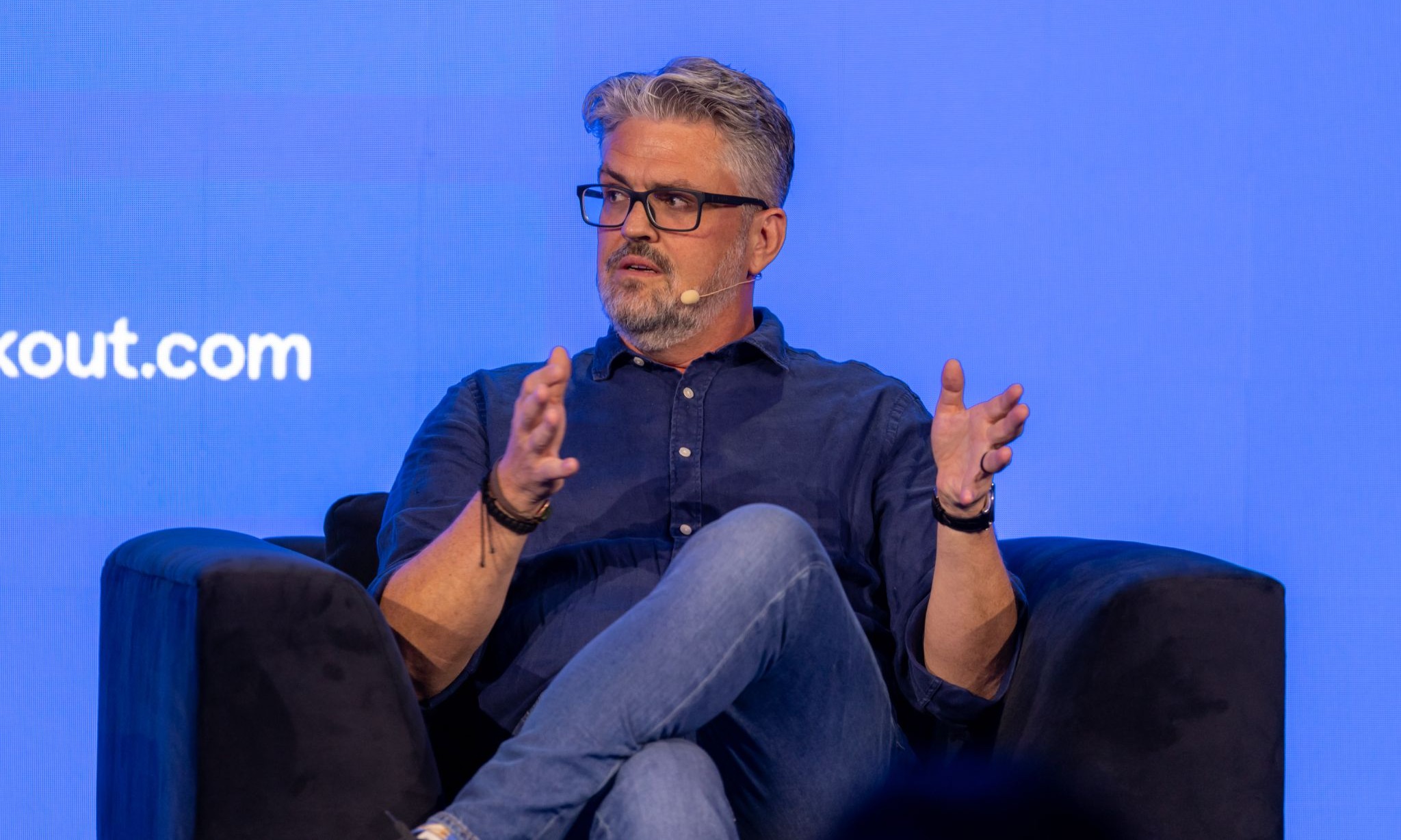
AI is already affecting the way customers find, feel about, and fund your brand – though this varies by user demographic and LLM product. And the nuances make a difference. Host Rory O’Neill, Chief Marketing Officer at Checkout.com, compered a breakdown of the ways agentic commerce is evolving for fintechs and other online merchants.
Panelists agreed the best way to learn how it will affect operations and customer relationships is to participate, and draw conclusions from experience. Practically, this means upgrading your data analytics stack to include agentic channels, so you can see how your customers transition between different apps, web platforms, and LLM tools to interact with your brand. Another panelist emphasized the importance of strengthening your customer loyalty strategy, so that you’ll stand out in a world where customers are finding brands through LLM-related search channels.
Ultimately, merchants adapted to the ecommerce revolution by adopting the best third-party services available – platforms, website builders, API integrations, and, all-in-one providers where it made sense. Koen Köppen, CEO at Mollie argued it’s reasonable to view agentic commerce through a similar lens: you don’t need to build all new capabilities in-house, nor do you need to suddenly become experts in complex engineering questions to figure out the way forward for your business.

.png)




%20thumbnail.png)

.png)


%20(1).png)