%20(1).jpg)

Google has just announced its Universal Commerce Protocol (UCP), a specification designed to support agentic commerce across the shopping journey – from discovery and buying to post-purchase support.
To begin with, UCP is being rolled out across Google-owned surfaces, including Search AI Mode, and the Gemini App with select US retailers.
The announcement reflects a broader shift in digital commerce: AI systems are moving beyond helping with discovery towards end-to-end shopping journeys, allowing shoppers to move from intent to purchase without breaking context.
While Checkout.com provides support for all leading models, for merchants, a natural question is: how does Google’s approach compare with others, particularly OpenAI’s Agentic Commerce Protocol (ACP).
Both aim to reduce friction and make AI-led shopping feel native, fast, and trusted. However, they differ in how the experience is delivered, where it lives, and what role merchants play.
Understanding those differences is key to understanding where to focus today, and how to prepare for what’s coming next.
Same goal, different models
Agentic commerce isn’t converging around a single standard.
Instead, multiple protocols are emerging in parallel – tackling different moments across the buyer journey, from discovery and consent to checkout, payment, and post-purchase support.
No single protocol handles every scenario, end to end. But the intent is clear: reduce friction between discovery and conversion, and allow AI systems to act on user intent in ways that feel seamless and trustworthy.
Let’s take a look at how OpenAI’s ACP and Google’s UCP each approach the challenge.
OpenAI’s Agentic Commerce Protocol (ACP)
ACP is an open, cross-platform protocol that enables shopping and payments directly within AI assistants. It’s designed for broad adoption, independent of any single user interface, platform, or distribution surface.
ACP defines how AI agents can:
- Discover products using merchant-provided product feeds
- Surface accurate pricing, inventory, and availability
- Initiate checkout on the user’s behalf, without redirecting them away
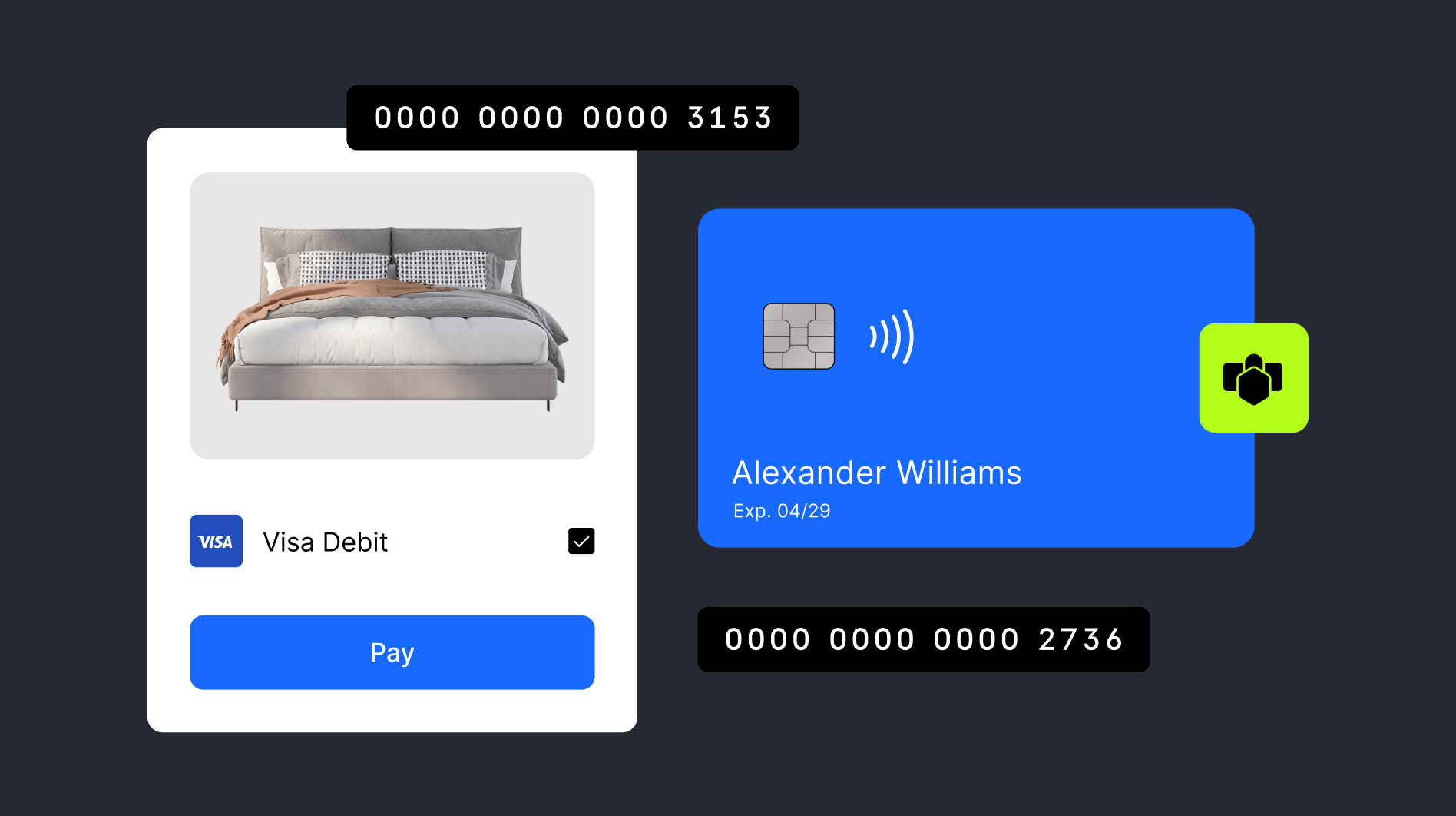
Checkout happens using delegated payment tokens – single-use, time-bound, and amount-restricted – giving users control and merchants confidence.
Importantly, ACP maintains the merchant’s role. Settlement, refunds, chargebacks, and compliance all remain with the merchant, just as in traditional ecommerce.
ACP supports:
- Checkout journeys inside multiple AI chat interfaces
- Flows that match merchants’ existing risk and operational models
This brings more flexibility, but also requires deep integration: merchants must support product feeds and agent-initiated checkout, which is a high lift upfront but allows for long-term optionality.
OpenAI’s Instant Checkout experience within ChatGPT is the first implementation of ACP – not to be confused with the protocol itself.
Google’s Universal Commerce Protocol
Google positions UCP as a ‘new open standard for agentic commerce’, designed to establish a common language that allows agents and systems to work together across consumer surfaces, businesses and payment providers.
UCP is described as being compatible with existing protocols, including Google’s own Agent Payments Protocol (AP2), Agent2Agent (A2A) and Model Context Protocol (MCP).
At launch, UCP is implemented within Google-owned surfaces, including Search AI Mode, the Gemini App, and Google Shopping. To start, UCP powers a new checkout experience that allows shoppers to buy from eligible US retailers. This is achieved during product discovery, without shoppers leaving Google. Payments can be completed using Google Pay, with support for Paypal planned.
Retailers remain the seller of record and can customize the integration, while benefitting from reduced checkout friction and lower abandonment.
Business Agent and UCP
As part of the same announcement, Google introduced Business Agent, a branded conversational experience that allows retailers to chat with customers directly within Search.
Business Agent allows retailers to:
- Answer questions in their own voice
- Engage consumers during high-intent shopping moments.
- Enable direct purchases, including agentic checkout, within the experience
It appears to be a Google surface implementation aligned with the same agentic commerce stack, designed to support conversational discovery, and other commerce features.
UCP’s scope at launch and what comes next
At launch, Google’s UCP-powered experiences focus primarily on:
- Checkout and payment
- Order-related flows
- Conversational discovery with Google surfaces
Google has stated that further capabilities, such as discovering related products, applying loyalty rewards, and powering custom shopping experiences will follow in time.
For now, while UCP introduces a new open standard, its first execution environment is Google’s own ecosystem.
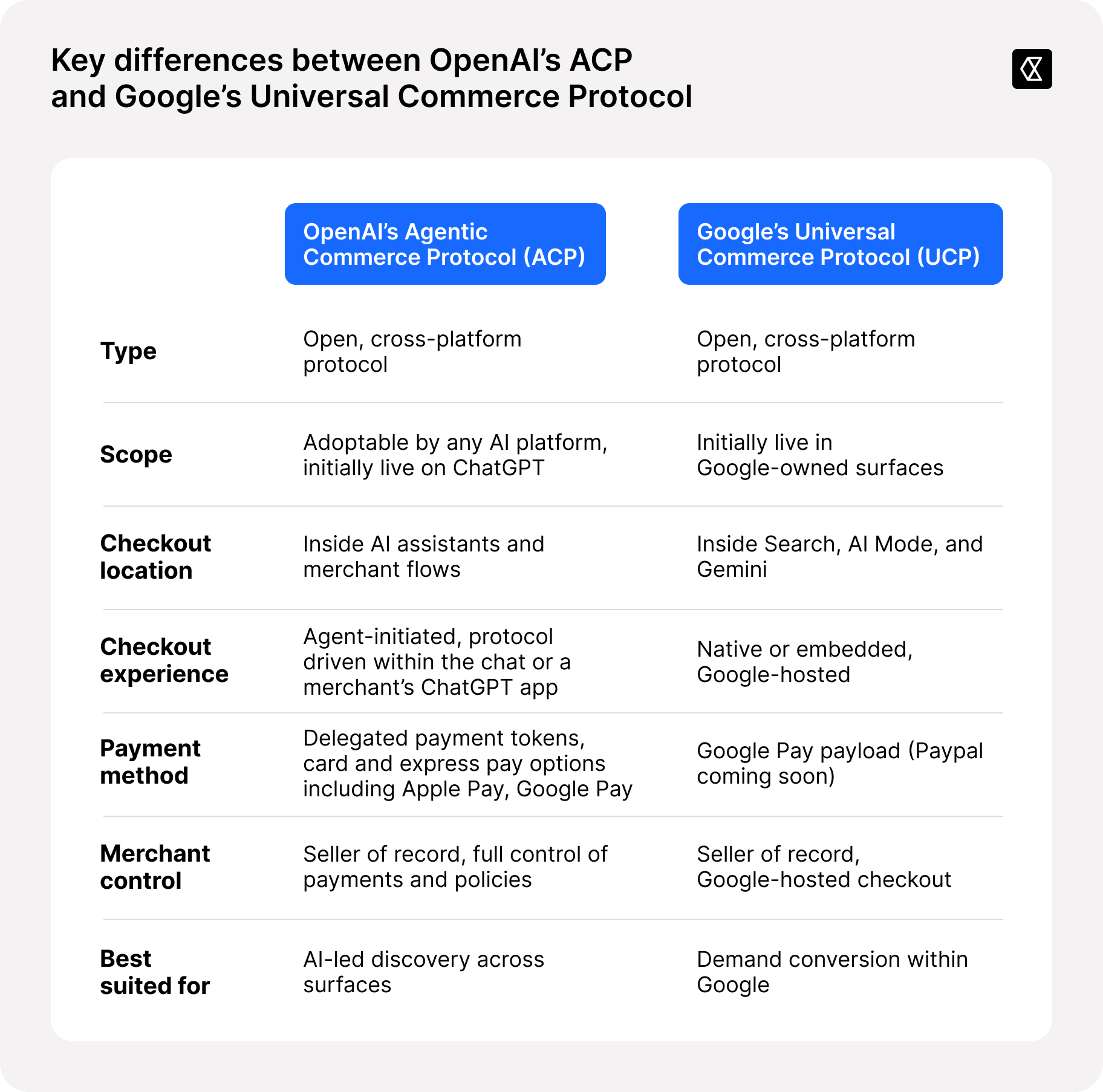
How ACP and UCP relate
Google states that UCP is compatible with existing agentic protocols, including AP2 and other agent-to-agent standards. While Google has not publicly detailed how interoperability will work in practice, its positioning suggests that UCP is not intended to replace other open protocols like ACP but to coexist alongside them – serving different moments of intent and different execution environments.
In practice, today:
- ACP enables agent-led commerce across the OpenAI ecosystem
- UCP focuses on reducing friction and increasing conversion within Google’s distribution surfaces
Do merchants need to pick a model?
No. This isn’t about which model wins so much as which model serves what kind of demand.
Google’s protocol helps convert high-intent shoppers engaging with Search or Shopping. Open, agent-led models like ACP open the door to new demand, where AI assistants become shopping destinations in their own right.
Each unlocks different value at different points in the customer lifecycle.
The priority for merchants is not choosing one over the other, but preparing to support both as agentic commerce continues to evolve.
How to prepare
Rather than try to optimise for every model at once, the best approach is to stay focused on:
- Delivering performance through your current channels
- Building flexibility into your stack for what comes next
- Choosing partners who can support the emerging ecosystem
Where Checkout.com fits in
You shouldn’t have to rebuild your payments stack every time a new protocol emerges.
At Checkout.com, we help enterprise merchants support payments across models like ACP, and others still emerging from card schemes and networks.
We handle delegated tokenization and processing for ACP – enabling safe, controlled agent-led payments.
We also support the Universal Commerce Protocol – helping merchants maintain high acceptance and minimise disruption through our integration with Google Pay.
As the commerce landscape shifts, our role is to simplify participation and maintain performance – giving merchants the tools to capture demand, wherever it appears.
Turning AI-led discovery into revenue
Agentic commerce opens new ways to connect with high-intent shoppers – but it brings complexity too.
From consent to checkout, staying on top of the latest developments – and the conversations shaping what comes next – is essential.
That’s where Checkout.com comes in.
We’re here to help merchants move forward with speed, safety, and clarity. If you’re exploring agentic commerce and would be interested to run a pilot with us, get in touch with our team.

.png)




%20thumbnail.png)

.png)

